Should You Still Buy Used Hardware? The Secure 2026 Guide
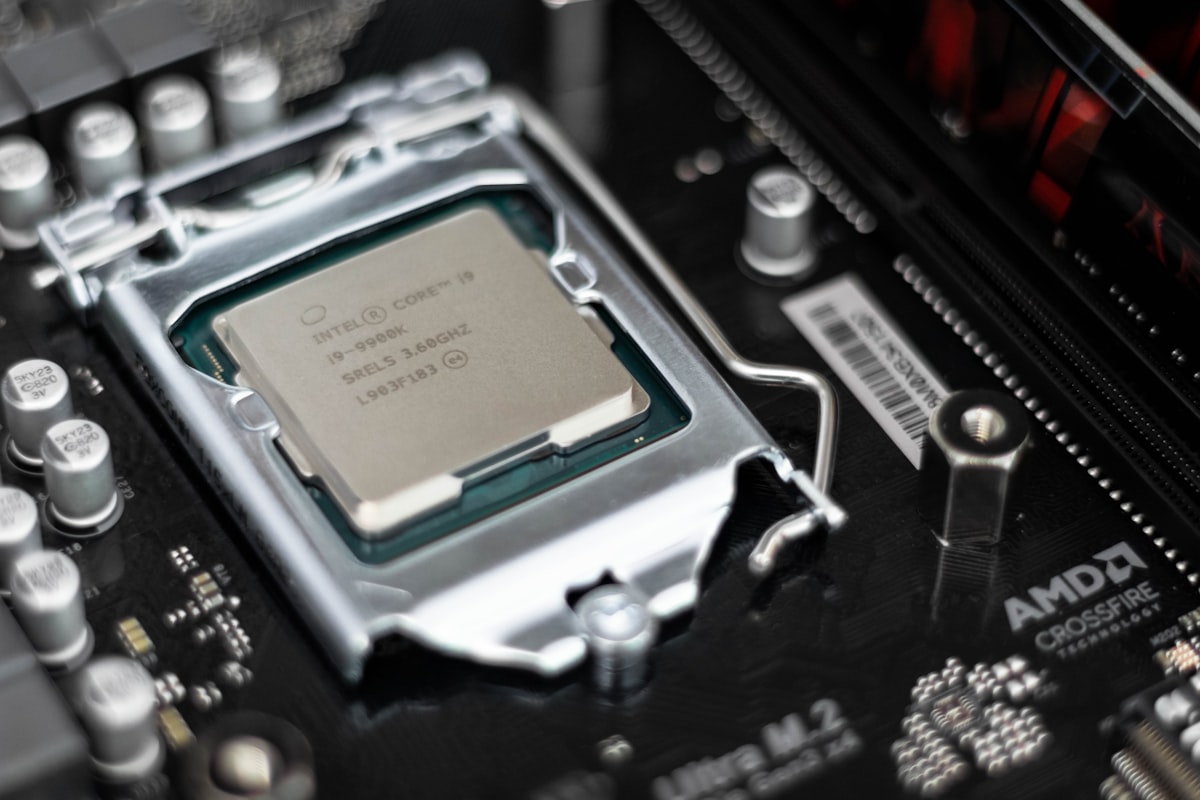
Since late 2025, the RAM shortage has turned the PC hardware market upside down. DDR5 prices have exploded, certain models are impossible to find, and restocks disappear within minutes. Result: more and more users are turning to the used market to upgrade their PC or complete a build. But during a shortage, buying used isn't just an economical alternative — it's also fertile ground for scams, faulty components, and counterfeits. So, in January 2026, is buying used still a good idea? Yes, but not without method. This complete guide shows you exactly how to buy used PC hardware without getting trapped.
Why Used Hardware Market is Exploding in 2026
The used market is experiencing explosive growth for several structural reasons: Price increases on RAM and certain GPUs since late 2025 make new components unaffordable for many. Frequent stock shortages push buyers toward the used alternative. Manufacturers prioritize AI, servers, and datacenters over consumers, reducing public supply. Many built PCs only need an upgrade, not a complete replacement, favoring the purchase of individual used components. Used hardware becomes therefore a practical, quick, sometimes essential solution. But only if you know what to check.
Anti-Scam Checklist: What to Verify Before Paying
Before any used purchase, verify these essential criteria: The seller provides the original purchase invoice (✔️ OK / ❌ Danger). Real photos with visible serial number (✔️ OK / ❌ Google Stock Photos = Danger). Stress test or benchmark provided as video capture (✔️ OK / ❌ Nothing = Danger). Price consistent with current market (✔️ OK / ❌ Too good to be true = Danger). Local sale possible with in-person handoff or video call (✔️ OK / ❌ Forced shipping and rushed = Danger). Seller registered long ago on the platform (✔️ OK / ❌ Brand new account = Danger). Rule #1: during a shortage, a deal that's too good isn't an opportunity, it's often a scam.
How to Test Hardware: Checklist by Component
For RAM (DDR4/DDR5): run MemTest86, verify frequency and XMP/EXPO latency, inspect pins and PCB to detect scratches or damage. For GPUs: perform a stress test with FurMark, 3DMark or Unigine Superposition, verify max temperature stays under 85°C, listen for excessive coil whine (abnormal electrical noise). For CPUs: run a Cinebench R23 benchmark, check temperatures and delid/overclocking history. For NVMe/SATA SSDs: use CrystalDiskInfo to control Health, Wear and TBW (Total Bytes Written), verify hours of use. These tests are essential to avoid buying an end-of-life or damaged component.
Reliable Platforms and Traps to Avoid
Platform ranking from most secure to most risky: BackMarket, ReBuy, certified retailers (⭐⭐⭐⭐⭐ - Very High) offer warranty and certification. Craigslist in-person, Facebook Marketplace local (⭐⭐⭐⭐ - Good Trust) allow you to verify on-site. eBay with pro sellers only (⭐⭐⭐ - Decent) requires reading feedback and warranty. Hardware Discords and tech forums (⭐⭐ - Variable) where community offers some security. Telegram, TikTok, uncertain listings (⭐ - High Risk) should be avoided unless expert. Common 2026 traps include: fake or rebadged RAM modules with unknown brands (very frequent since December 2025), mined GPUs with reflashed BIOS resold as new, SSDs with TBW almost reached (low lifespan), CPUs sold without test because "no compatible motherboard", platforms forcing rapid payment via Western Union, Zelle or Wise (guaranteed scam).
2026 Verdict: Is Buying Used a Good Idea?
If you're in a hurry and find a good verifiable offer → Yes, go for it. If you want to save without risk → Yes, prioritize certified used (BackMarket etc.). If you want the best price-to-performance ratio → Yes, local marketplace with on-site testing. If the seller refuses proof or test → No, run away. If price too low + pressure "hurry up" → No, it's a scam. In summary: yes, buying used PC hardware in January 2026 is an excellent option, but only if you verify authenticity, functional testing, and seller reputation. With the RAM shortage that began in late 2025, risks of scams and counterfeits are strongly increasing. Be methodical, patient, and never hesitate to refuse a suspicious offer.
Get alerts on the best hardware prices
Core N Tracker monitors availability and prices in real-time for GPUs, RAM, SSDs, and other components across all retailers. Get instant email notifications when a component is in stock or when prices drop. Save time and money effortlessly.
Create my free alert →