Prebuilt vs. Custom PC in 2026: Which Is Really More Cost-Effective?
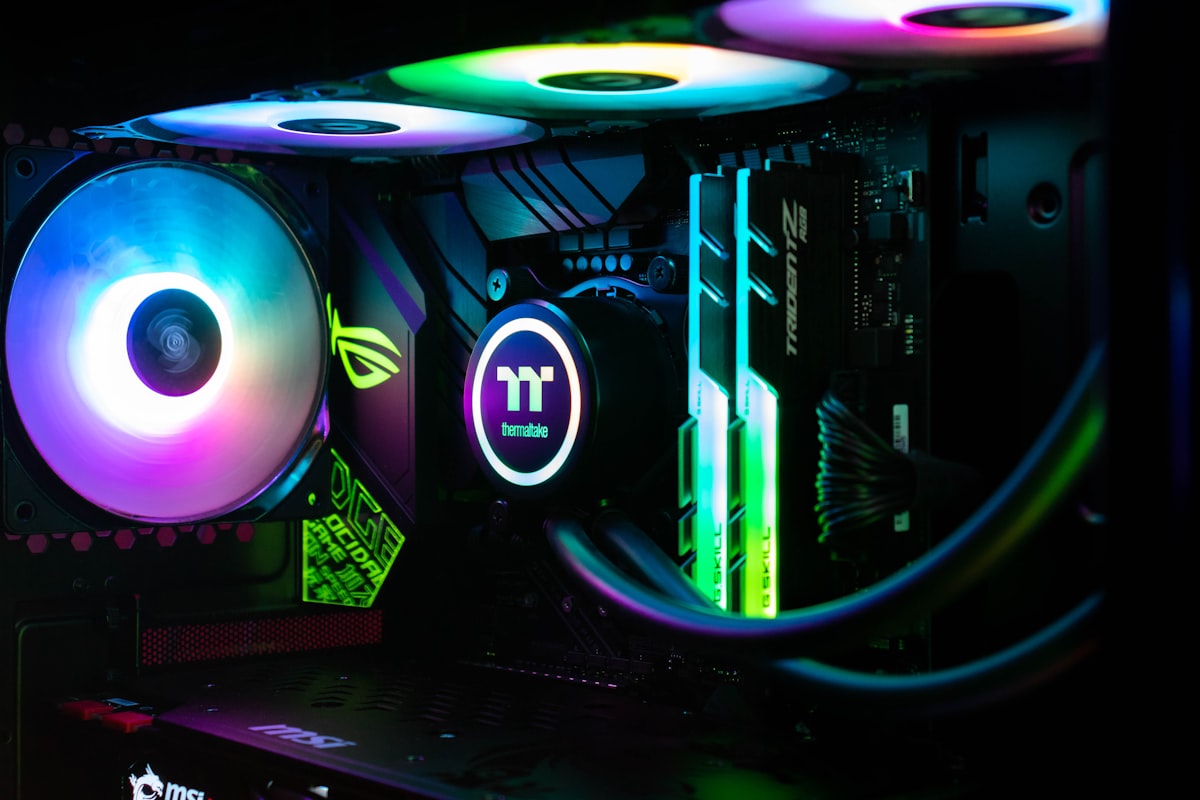
Since late 2025, the PC hardware market has changed dramatically. The DDR5 RAM shortage has caused prices to explode, stocks fluctuate within hours, and some components like 32GB/64GB kits are now harder to obtain than certain graphics cards. Result: more and more people are wondering if in 2026, it's better to buy a prebuilt PC or build it yourself. Previously, the answer was simple: building your own PC was always cheaper and more flexible. But in 2026, with market fluctuations, it's not so obvious anymore. This comparison gives you clear, quantified analysis adapted to the current market.
2026 Comparison: Prebuilt vs. Custom Build
Here's the complete table of criteria to consider: Price in 2026 - Prebuilt PC (⭐⭐⭐ Often cheaper thanks to volume purchases) vs Custom Build (⭐⭐ More expensive due to shortage, especially RAM). Availability - Prebuilt PC (⭐⭐⭐⭐ Available even during shortages) vs Custom Build (⭐ Sometimes impossible to complete). Component Quality - Prebuilt PC (⭐⭐ Sometimes price-optimized, basic PSU, slow RAM) vs Custom Build (⭐⭐⭐⭐ You choose exactly what you want). Ease/Time - Prebuilt PC (⭐⭐⭐⭐⭐ Plug-and-play, guaranteed) vs Custom Build (⭐ Requires skills, patience, testing). Customization - Prebuilt PC (⭐⭐ Limited depending on models) vs Custom Build (⭐⭐⭐⭐⭐ Completely free). Warranty/Support - Prebuilt PC (⭐⭐⭐⭐⭐ Single and simple) vs Custom Build (⭐⭐ Warranty per separate component). Optimized Performance - Prebuilt PC (⭐⭐⭐ Often XMP disabled by default) vs Custom Build (⭐⭐⭐⭐ Hand-optimized configuration).
Price Analysis in January 2026
For prebuilt PCs: Since the late 2025 shortage, manufacturers (ASUS, MSI, CyberPower, HP Omen) still benefit from industrial purchases far in advance, supplier contracts, and buffer stock. They are often 10–25% cheaper than manual assembly in 2026, especially on bundles including RAM + GPU + CPU. For custom-built PCs: In normal times, this was the optimal solution. But now, RAM is the element that blocks or strongly increases the bill, some sellers force bundle purchases motherboard + RAM, and prices vary from one day to another. Building yourself often costs more unless you catch a good deal via price tracking or surprise restock. Before the shortage: building yourself = cheaper + better choice. Since December 2025: Buying prebuilt sometimes becomes the best financial option. But be careful, this isn't true for everyone.
Concrete Examples and Exceptions
Average prices January 2026: PC 1080p/144Hz (entry-mid range) - Prebuilt $850–999 vs DIY $950–1200. Gaming PC RTX 4070 / DDR5 32GB - Prebuilt $1400–1600 vs DIY $1600–2000. AI / Creation / RTX 4090 PC - Prebuilt $2500–3300 vs DIY $2700–3600. On average: +$150 to +$500 surcharge for a custom-built PC in January 2026. Exceptions where manual assembly remains better: You want an extremely optimized config (OC, RAM tuning, GPU undervolt, custom airflow). You want to build a compact ITX PC / custom watercooling. You already have some parts. You monitor prices via alerts (like CoreNTracker). In these cases, DIY remains king. Traps of prebuilt PCs in 2026: Slow RAM (DDR5 4800 MHz CL40 on CPUs that demand 6000 MHz), Non-certified PSU or unknown brand, Basic motherboards limiting upgrades (only 2 RAM slots, no PCIe 5.0), Sometimes insufficient cooling. Always verify: RAM (speed/latency, XMP/EXPO activatable?), Cooling system (stock vs towers/AIO), Power supply (80+ Gold minimum recommended).
Final 2026 Verdict: Which Solution for You?
If you want the lowest price → Prebuilt PC. If you want future upgrades/long term → Custom build. If you have no technical knowledge → Prebuilt PC. If you want max performance/tuning → Build yourself. If you want total control → Build yourself. If you want speed and warranty → Prebuilt.
Simple Conclusion
In January 2026, with the RAM shortage still recent, prebuilt PCs are generally more cost-effective, but not always better designed. If you want something immediate and guaranteed, get a prebuilt. If you want an optimized, upgradable, and fine-tuned machine, build it yourself, but monitor prices and shortages. The key is understanding your priorities: immediate savings or total long-term control.
Get alerts on the best hardware prices
Core N Tracker monitors availability and prices in real-time for GPUs, RAM, SSDs, and other components across all retailers. Get instant email notifications when a component is in stock or when prices drop. Save time and money effortlessly.
Create my free alert →